Contents
- 1 Understanding Ethereum Staking Through MetaMask
- 2 Popular Staking Protocols Accessible via MetaMask
- 3 Benefits of Using MetaMask for Ethereum Staking
- 4 Getting Started with MetaMask Staking
- 5 Maximizing Returns with Liquid Staking Strategies
- 6 Security Considerations for MetaMask Staking
- 7 Tax Implications and Record Keeping
- 8 Future of Ethereum Staking with MetaMask
- 9 Conclusion
- 10 Frequently Asked Questions
Ethereum staking has become one of the most popular ways to earn passive income in the crypto ecosystem, and MetaMask makes it easier than ever to participate. As the leading Web3 wallet with over 100 million users worldwide, MetaMask provides seamless access to Ethereum staking protocols directly through your browser extension. Whether you’re a DeFi enthusiast looking to maximize yields or a long-term Ethereum holder seeking to contribute to network security, the ability to stake ETH MetaMask offers unparalleled convenience and flexibility.
The transition to Ethereum 2.0 has opened new opportunities for crypto holders to earn rewards while supporting the network’s proof-of-stake consensus mechanism. With MetaMask’s built-in dApp browser and extensive ecosystem integration, you can access leading staking platforms like Lido, Rocket Pool, and other liquid staking protocols without leaving your trusted self-custodial wallet. This comprehensive guide explores how MetaMask facilitates Ethereum staking, the benefits of using your browser extension wallet for staking activities, and the best practices to maximize your returns while maintaining security.
Understanding Ethereum Staking Through MetaMask
Ethereum staking involves locking up your ETH to validate transactions and secure the network, earning rewards in return. With MetaMask staking becoming increasingly accessible, users can participate in this process through various methods directly from their browser extension wallet. The self-custodial nature of MetaMask means you maintain full control of your assets while accessing decentralized staking protocols.
Traditional Ethereum staking requires 32 ETH and technical expertise to run a validator node. However, liquid staking protocols integrated with MetaMask allow users to stake any amount of ETH and receive liquid staking tokens in return. These tokens represent your staked ETH plus accumulated rewards and can be traded or used in other DeFi protocols, providing flexibility that traditional staking cannot match.
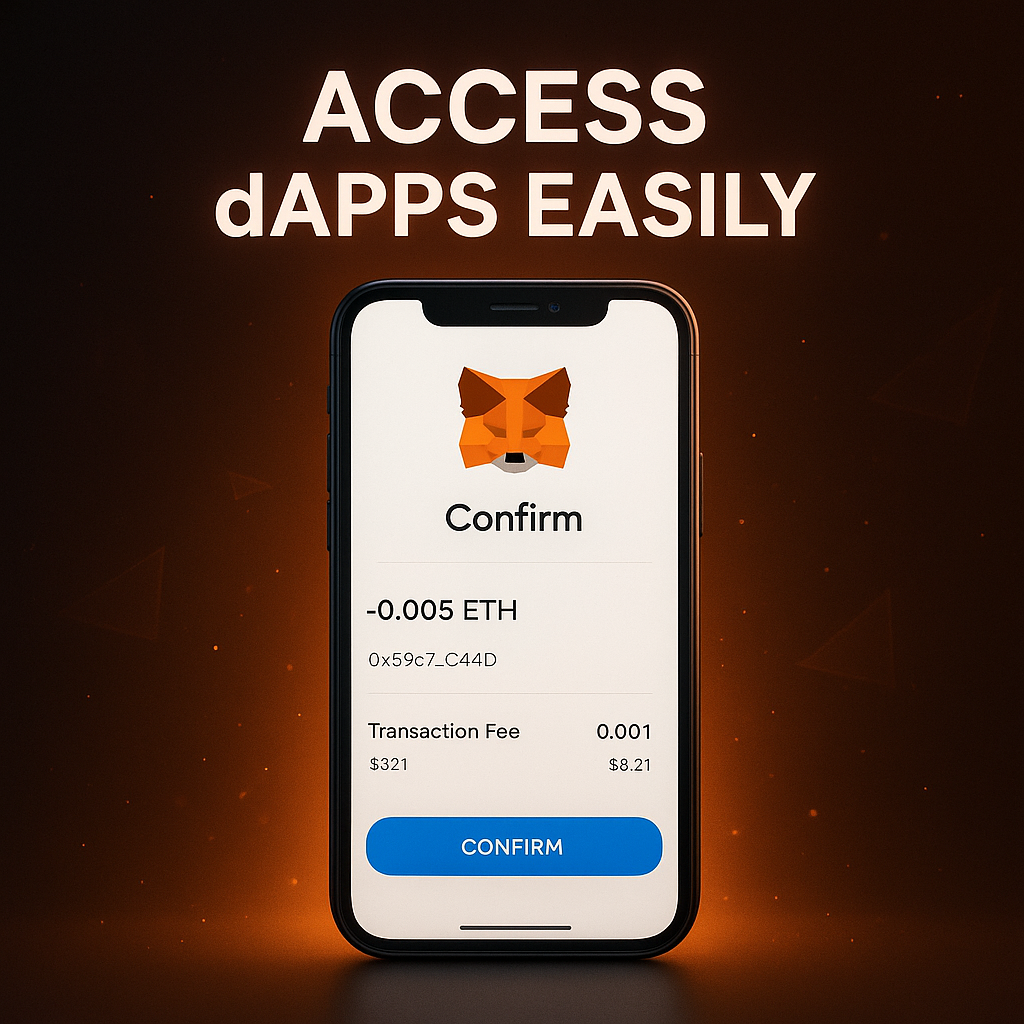
MetaMask’s browser extension seamlessly connects to these staking protocols through its dApp browser functionality. This integration eliminates the need to transfer funds to centralized exchanges or use complex command-line interfaces, making Ethereum staking accessible to users of all experience levels.
Popular Staking Protocols Accessible via MetaMask
The MetaMask ecosystem supports numerous staking protocols, each offering unique features and benefits. Lido MetaMask integration stands out as one of the most popular options, allowing users to stake ETH and receive stETH tokens that maintain their liquidity. This liquid staking approach means you can continue using your staked ETH in other DeFi protocols while earning staking rewards.
- Lido Finance: The largest liquid staking protocol, offering stETH tokens that can be used across DeFi
- Rocket Pool: A decentralized staking protocol with rETH tokens and node operator opportunities
- Frax Ether: Provides frxETH and sfrxETH tokens with competitive staking yields
- Coinbase cbETH: Institutional-grade staking with cbETH liquid staking tokens
- Binance BETH: Binance’s Ethereum staking solution accessible through MetaMask
Each protocol offers different reward rates, token mechanics, and risk profiles. The beauty of using MetaMask for staking is that you can easily compare and switch between protocols based on current yields and your risk tolerance, all while maintaining custody of your private keys through your Secret Recovery Phrase.
Benefits of Using MetaMask for Ethereum Staking
The advantage of choosing to stake ETH MetaMask extends far beyond convenience. As a self-custodial wallet, MetaMask ensures you maintain complete control over your assets throughout the staking process. Unlike centralized exchanges where your funds are held in custody, MetaMask staking keeps your private keys secure on your device, protected by your Secret Recovery Phrase.
MetaMask’s browser extension architecture provides seamless integration with the broader Ethereum ecosystem. Your staked tokens can immediately interact with other DeFi protocols, NFT marketplaces, and decentralized applications without complex token transfers or waiting periods. This interconnectivity maximizes the utility of your staked assets and opens opportunities for compound strategies.
The wallet’s multi-chain support also enables cross-chain staking strategies. While Ethereum remains the primary focus, MetaMask’s EVM-compatible network support allows you to explore staking opportunities on layer-2 solutions like Arbitrum and Optimism, where lower gas fees make smaller staking amounts more economical.
Security features like hardware wallet integration mean you can stake ETH MetaMask while keeping your private keys on devices like Ledger or Trezor. This combination provides the convenience of browser-based staking with the security of cold storage, offering the best of both worlds for serious crypto investors.
Getting Started with MetaMask Staking
Beginning your journey to earn crypto MetaMask through staking requires just a few simple steps. First, ensure your MetaMask browser extension is updated to the latest version and properly secured with a strong password and backed-up Secret Recovery Phrase. Having ETH in your wallet is obviously essential, but you don’t need the full 32 ETH required for solo staking.
Navigate to your preferred liquid staking protocol through MetaMask’s dApp browser or by visiting their website directly. Popular choices like Lido can be accessed at lido.fi, where you’ll see an option to connect your wallet. Click the connect button and select MetaMask from the available wallet options. Your browser extension will prompt you to approve the connection.
Once connected, you can specify the amount of ETH you want to stake. Most liquid staking MetaMask protocols have no minimum requirements, though you should consider gas fees when staking smaller amounts. Review the transaction details carefully, including gas fees and the estimated annual percentage rate (APR) for rewards.
After confirming the transaction, you’ll receive liquid staking tokens (like stETH for Lido) in your MetaMask wallet. These tokens represent your stake in the protocol and will gradually increase in value as staking rewards accumulate. You can view these tokens in your MetaMask interface and track their performance over time.
Maximizing Returns with Liquid Staking Strategies
The flexibility of liquid staking MetaMask opens up sophisticated strategies for maximizing your Ethereum returns. Since liquid staking tokens can be traded and used in DeFi protocols, you’re not locked into basic staking yields. Advanced users can leverage their staked positions for additional income streams while maintaining their underlying ETH exposure.
Yield farming with liquid staking tokens represents one of the most popular strategies. Platforms like Curve Finance offer liquidity pools for stETH/ETH pairs, allowing you to earn trading fees on top of your staking rewards. MetaMask’s built-in swap functionality makes it easy to provide liquidity to these pools and compound your returns.
Dollar-cost averaging into staking positions can smooth out market volatility while building your staked ETH holdings over time. Set up regular purchases of ETH through MetaMask and immediately stake them to maximize your time in the market. This strategy is particularly effective during bear markets when ETH prices are suppressed but staking yields remain attractive.
Cross-protocol diversification reduces smart contract risk while optimizing yields. Instead of putting all your ETH into a single staking protocol, consider splitting your holdings across Lido, Rocket Pool, and other platforms accessible through your MetaMask wallet. This approach provides exposure to different reward mechanisms and reduces the impact if any single protocol experiences issues.
Security Considerations for MetaMask Staking
While the convenience of MetaMask staking is undeniable, maintaining security should remain your top priority. Your Secret Recovery Phrase provides access to all your staked assets, making its protection crucial. Store this phrase offline in multiple secure locations and never share it with anyone or enter it on suspicious websites.
Smart contract risk represents the primary security concern when staking through DeFi protocols. While established platforms like Lido have been audited extensively, all smart contracts carry inherent risks. Only stake amounts you can afford to lose, and consider spreading your holdings across multiple protocols to reduce concentration risk.
Phishing attacks targeting MetaMask users have become increasingly sophisticated. Always verify you’re interacting with legitimate staking protocols by double-checking URLs and never clicking suspicious links. Bookmark official protocol websites and access them directly rather than through search results or social media links.
Hardware wallet integration provides an additional security layer for serious staking activities. Connect your Ledger or Trezor device to MetaMask to keep your private keys offline while still enjoying the convenience of browser-based staking. This setup requires physical confirmation for all transactions, preventing unauthorized access even if your computer is compromised.
Tax Implications and Record Keeping
Staking rewards earned through MetaMask create taxable events in most jurisdictions, making proper record keeping essential. Each time you receive staking rewards, whether through appreciation of liquid staking tokens or direct reward distributions, you may owe taxes on the fair market value at the time of receipt.
MetaMask’s transaction history provides a basic record of your staking activities, but dedicated crypto tax software offers more comprehensive tracking. Services like Koinly, CoinTracker, and TaxBit can connect to your wallet and automatically categorize staking rewards for tax reporting purposes.
Consider the timing of your staking activities relative to your tax situation. Staking rewards are typically taxed as ordinary income when received, while selling staked tokens may trigger capital gains or losses. Strategic timing of entries and exits can help optimize your overall tax burden.
Future of Ethereum Staking with MetaMask
The continued development of Ethereum and the MetaMask ecosystem promises exciting new staking opportunities. Upcoming Ethereum improvements like withdrawal capabilities and reduced energy consumption will likely increase staking adoption and improve yields for participants.
MetaMask Snaps, the wallet’s extensibility platform, could introduce new staking-focused features directly into the browser extension. These might include automated staking strategies, enhanced reward tracking, or integration with emerging layer-2 staking protocols.
The growing institutional adoption of Ethereum staking creates additional legitimacy and infrastructure development. As more traditional financial institutions enter the space, the tools and protocols accessible through MetaMask will likely become more sophisticated and user-friendly.
Conclusion
Ethereum staking through MetaMask represents the perfect convergence of accessibility, security, and flexibility in the modern crypto landscape. The ability to stake ETH MetaMask while maintaining self-custody provides users with unprecedented control over their digital assets. Whether you’re seeking passive income through liquid staking protocols or want to actively participate in DeFi strategies using your staked tokens, MetaMask’s browser extension makes it all possible from a single, trusted interface.
The ecosystem of staking protocols accessible through MetaMask continues to evolve, offering increasingly sophisticated options for users of all experience levels. From simple liquid staking with Lido to complex yield farming strategies, the opportunities to earn crypto MetaMask are limited only by your risk tolerance and investment goals. As Ethereum’s proof-of-stake network matures and staking becomes an even more integral part of the cryptocurrency ecosystem, having a reliable Web3 wallet like MetaMask becomes essential.
Ready to start earning rewards on your Ethereum holdings? Download MetaMask today and discover the powerful staking opportunities waiting in the decentralized web. Join millions of users who trust MetaMask as their gateway to Web3 and begin your Ethereum staking journey with the security and convenience you deserve.
Frequently Asked Questions
How much ETH do I need to start staking with MetaMask?
You can start staking any amount of ETH through liquid staking protocols accessible via MetaMask. Unlike solo staking which requires 32 ETH, protocols like Lido allow staking with as little as 0.01 ETH. However, consider gas fees when staking smaller amounts, as they can impact your overall returns.
Are my staked ETH funds safe when using MetaMask?
MetaMask’s self-custodial nature means you control your private keys and staked assets. However, when you stake through protocols like Lido, you’re interacting with smart contracts that carry inherent risks. Choose well-audited protocols and never stake more than you can afford to lose. Your Secret Recovery Phrase security is crucial for protecting access to your staked funds.
What are liquid staking tokens and how do they work in MetaMask?
Liquid staking tokens like stETH represent your staked ETH plus accumulated rewards. They appear in your MetaMask wallet just like any other token and can be traded, used in DeFi protocols, or held for long-term appreciation. These tokens maintain the value of your stake while providing liquidity that traditional staking cannot offer.
How do I track my staking rewards in MetaMask?
Staking rewards typically accrue automatically in the value of your liquid staking tokens. You can monitor your holdings directly in MetaMask’s token list. For more detailed tracking, visit the staking protocol’s website (like Lido.fi) and connect your MetaMask wallet to see comprehensive reward history and projected returns.
Can I unstake my ETH immediately through MetaMask?
With liquid staking protocols, you can trade your staking tokens (like stETH) for ETH immediately through MetaMask’s swap feature or DEX platforms. Direct unstaking may have waiting periods depending on the protocol. Ethereum’s Shanghai upgrade has enabled withdrawals, but timing varies by protocol.
What gas fees should I expect when staking ETH through MetaMask?
Gas fees for staking transactions vary based on network congestion but typically range from $10-50 for standard operations. MetaMask provides gas fee estimates before confirming transactions. Consider staking larger amounts less frequently to minimize the impact of gas costs on your overall returns.
Can I use a hardware wallet with MetaMask for staking?
Yes, MetaMask supports hardware wallets like Ledger and Trezor for enhanced security during staking activities. Connect your hardware wallet to MetaMask and use it to approve staking transactions while keeping your private keys offline. This provides maximum security for larger staking amounts.
Which staking protocol offers the best returns through MetaMask?
Staking returns vary by protocol and market conditions. Lido typically offers competitive rates around 4-6% APR, while newer protocols may offer higher yields with increased risk. Compare current rates on each protocol’s website and consider factors like liquidity, security audits, and token utility when choosing where to stake your ETH.
Are staking rewards taxable when earned through MetaMask?
In most jurisdictions, staking rewards are taxable as income when received. This includes the appreciation of liquid staking tokens and direct reward distributions. Keep detailed records of your staking activities and consult with a tax professional familiar with cryptocurrency to understand your specific obligations.
Can I stake ETH on layer-2 networks through MetaMask?
While native ETH staking occurs on the Ethereum mainnet, some layer-2 solutions accessible through MetaMask offer their own staking mechanisms or liquid staking derivatives. Networks like Arbitrum and Optimism may have lower fees for interacting with staking protocols, making smaller stakes more economical.
What happens if a staking protocol gets hacked while I’m using MetaMask?
Smart contract risks exist with all DeFi protocols. If a staking protocol experiences a security breach, your staked funds could be affected regardless of the wallet you use. MetaMask itself remains secure, but choose well-audited protocols, diversify across multiple platforms, and never stake more than you can afford to lose.
How do I add staking tokens to my MetaMask wallet view?
Most popular staking tokens like stETH are automatically detected by MetaMask. If a token doesn’t appear, click “Import Tokens” in your wallet, select “Custom Token,” and enter the contract address from the protocol’s official website. Always verify contract addresses to avoid scam tokens.


Perfect timing, great breakdown of Web3 features. Very practical approach. Great work by the author! Highly recommend. Well done! Well done! Well done! Well done! Great resource. Well done! Great resource.
Comprehensive guide, your recommendations on gas optimization. Will definitely implement these. Thanks for the detailed explanation! Thanks again! Highly recommend. Well done! Well done! Very helpful!
Appreciate the detail, those wanting to understand NFT management better. Well explained. Highly recommend this resource. Highly recommend. Thanks again! Great resource. Well done! Thanks again! Great resource.
Clear explanations, the explanation of Ethereum support. Made everything much clearer. Bookmarked for future reference. Thanks again! Very helpful! Well done! Highly recommend. Well done! Great resource.
Solid information, loved the part about Snaps platform. Everything is clear even for beginners. Exactly what I was searching for. Great resource. Great resource. Very helpful! Highly recommend. Great resource.
Appreciate the detail, how you covered FAQ. Comprehensive and clear. Author did a great job explaining clearly. Very helpful! Very helpful! Well done! Well done! Well done! Very helpful! Well done! Very helpful!
Well-structured material. the focus on MetaMask extension. This is exactly what beginners need. Everything explained clearly. Thanks again! Very helpful! Well done! Very helpful! Well done! Highly recommend.
Good article for exactly the information I needed about NFT management. Perfect resource for this topic. Highly recommend. Well done! Highly recommend. Well done! Very helpful! Very helpful! Well done!
Really appreciated especially about Secret Recovery Phrase. Wasn’t aware of these nuances before. Will keep an eye out for new posts! Well done! Great resource. Highly recommend. Thanks again! Great resource.
Solid information, the explanation of Ethereum support. Made everything much clearer. Finally figured this out, big thanks! Thanks again! Great resource. Thanks again! Very helpful! Well done! Thanks again!
Thanks for the article! really helped me understand NFT management. Now I know how to connect to dApps. Will keep an eye out for new posts! Very helpful! Great resource. Thanks again! Highly recommend.
Finally found was looking for info about browser extension setup, found everything here. Bookmarked for future reference. Thanks again! Highly recommend. Great resource. Very helpful! Well done! Thanks again!