Contents
- 1 Understanding MetaMask’s Multi-Chain Architecture
- 2 Key Benefits of Using MetaMask for Polygon Access
- 3 Comparing MetaMask’s Multi-Chain Approach
- 4 Advanced Features for Polygon Users
- 5 DeFi and NFT Ecosystem Access
- 6 Security Considerations for Multi-Chain Operations
- 7 Getting Started with MetaMask Polygon Integration
- 8 Conclusion
- 9 Frequently Asked Questions
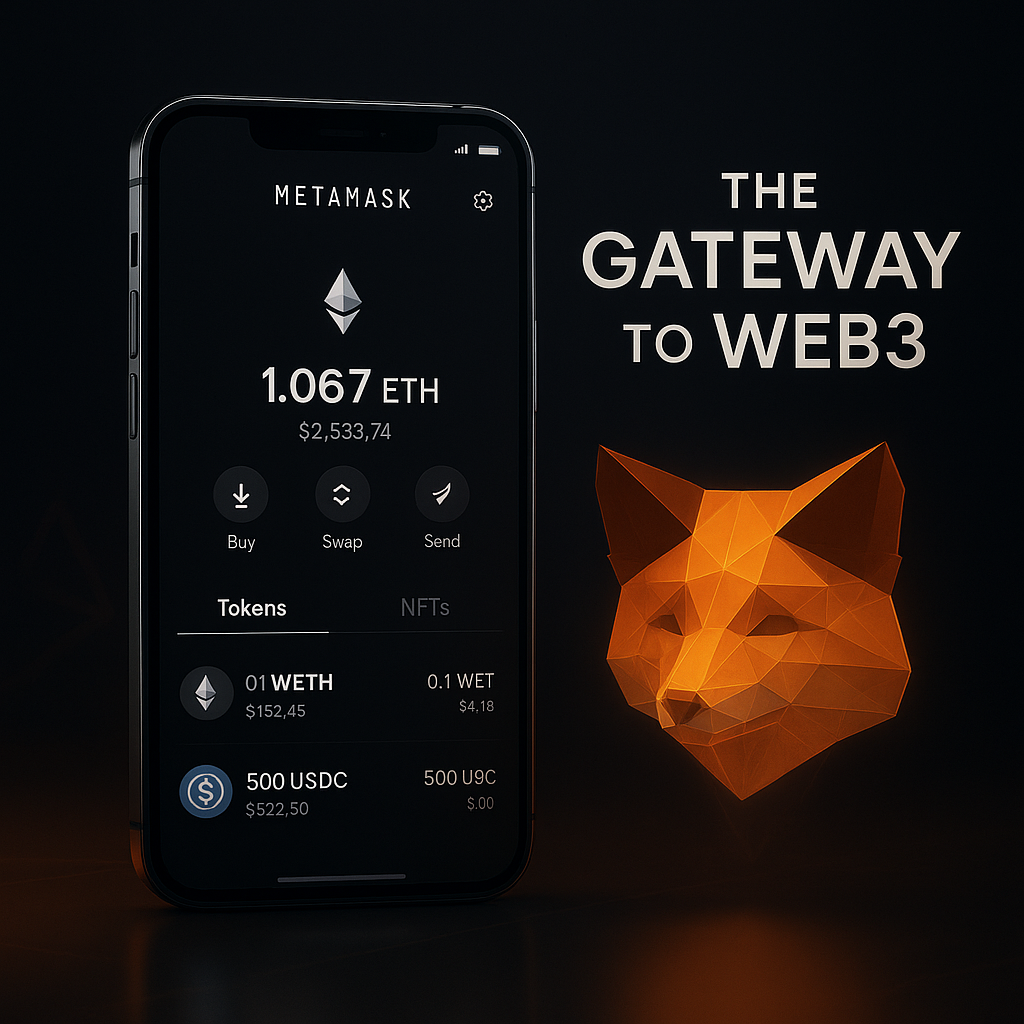
The evolution of Web3 has brought forth an ecosystem where multiple blockchains coexist, each offering unique advantages for decentralized applications, DeFi protocols, and NFT marketplaces. While Ethereum remains the foundational layer for Web3 innovation, scaling solutions like Polygon have become essential for users seeking faster transactions and lower fees. MetaMask Polygon integration represents a seamless bridge between Ethereum’s robust security and Polygon’s enhanced performance, enabling users to access the best of both networks through a single, trusted browser extension wallet.
As the leading self-custodial wallet with over 100 million users worldwide, MetaMask has established itself as the gateway to the decentralized web. The platform’s support for Polygon, alongside other EVM-compatible networks, demonstrates its commitment to multi-chain accessibility without compromising on security or user experience. Whether you’re trading on Polygon-based DEXes, collecting NFTs on OpenSea’s Polygon marketplace, or participating in yield farming protocols, MetaMask provides the infrastructure needed to navigate this expanding ecosystem confidently.
This comprehensive overview explores how MetaMask Polygon functionality empowers Web3 users to leverage scaling solutions while maintaining the security and familiarity of the Ethereum ecosystem. You’ll discover the technical advantages, practical applications, and strategic benefits of using MetaMask as your multi-chain browser extension wallet for accessing Polygon’s growing DeFi and NFT landscape.
Understanding MetaMask’s Multi-Chain Architecture
MetaMask’s architecture is built on Ethereum’s foundation while extending support to all EVM-compatible blockchains, making it the natural choice for accessing Polygon’s ecosystem. The browser extension wallet maintains the same interface and security standards across all supported networks, ensuring users can switch between Ethereum mainnet and Polygon without learning new interfaces or compromising their self-custodial principles.
The Polygon network, formerly known as Matic Network, operates as a Layer 2 scaling solution that processes transactions faster and cheaper than Ethereum mainnet while inheriting its security guarantees. When you connect MetaMask to Polygon, you’re accessing a network that can handle thousands of transactions per second with fees typically under $0.01, compared to Ethereum’s variable gas costs that can range from dollars to hundreds of dollars during network congestion.
MetaMask’s integration with Polygon leverages the same Secret Recovery Phrase system that secures your Ethereum assets, meaning your wallet address and private keys work seamlessly across both networks. This unified approach eliminates the complexity of managing multiple wallets while ensuring your crypto assets remain under your complete control through MetaMask’s self-custodial model.
Key Benefits of Using MetaMask for Polygon Access
The combination of MetaMask’s trusted security infrastructure and Polygon’s performance advantages creates a powerful platform for Web3 interaction. Users benefit from significantly reduced transaction costs when operating on Polygon, making activities like frequent trading, NFT minting, and DeFi yield farming economically viable for users of all sizes.
MetaMask’s built-in token swap functionality becomes particularly valuable on Polygon, where the low fees enable profitable arbitrage opportunities and frequent rebalancing strategies. The wallet’s integration with major DEX aggregators ensures you can access the best prices across Polygon’s liquidity pools, including QuickSwap, SushiSwap, and Curve Finance’s Polygon deployments.
For NFT enthusiasts, MetaMask Polygon support opens access to vibrant marketplaces where creators and collectors can mint, trade, and transfer digital assets without the prohibitive gas fees often associated with Ethereum mainnet. The wallet’s native NFT detection and display features work seamlessly with Polygon-based collections, providing a unified view of your digital assets across both networks.
The browser extension’s hardware wallet integration extends to Polygon operations, allowing users to maintain the highest security standards even when operating on scaling networks. Whether you’re using Ledger or Trezor hardware wallets, MetaMask ensures your private keys remain offline while enabling smooth interaction with Polygon’s dApp ecosystem.
Comparing MetaMask’s Multi-Chain Approach
While MetaMask Polygon integration represents one of the most popular scaling solutions, the wallet’s support extends to numerous other EVM-compatible networks, each serving different use cases within the broader Web3 ecosystem. MetaMask BSC connectivity provides access to Binance Smart Chain’s high-throughput environment, where users can participate in PancakeSwap’s yield farming and access Binance’s extensive DeFi ecosystem with similarly low transaction costs.
MetaMask Arbitrum and MetaMask Optimism support showcase the platform’s commitment to Ethereum’s Layer 2 roadmap, enabling users to access optimistic rollup solutions that maintain stronger ties to Ethereum mainnet security while offering improved performance. These networks are particularly valuable for users who prioritize Ethereum’s decentralization while seeking enhanced scalability.
MetaMask Avalanche integration opens access to a distinct consensus mechanism that offers sub-second finality and supports both EVM-compatible smart contracts and native Avalanche applications. This diversity in supported networks positions MetaMask as the comprehensive solution for users who refuse to be limited by single-chain ecosystems.
The wallet’s network switching functionality allows seamless transitions between these environments, with each network’s native tokens automatically detected and displayed. Your ETH on Ethereum mainnet, MATIC on Polygon, BNB on BSC, and AVAX on Avalanche all coexist within the same interface, eliminating the confusion often associated with multi-chain asset management.
Advanced Features for Polygon Users
MetaMask’s extensibility platform, MetaMask Snaps, brings additional functionality to Polygon users through third-party integrations that enhance the wallet’s capabilities. These extensions can provide advanced transaction insights, portfolio analytics, and specialized DeFi tools tailored to Polygon’s unique ecosystem characteristics.
The wallet’s custom token functionality becomes particularly valuable on Polygon, where numerous projects launch with native tokens that may not immediately appear in standard token lists. MetaMask’s ability to add custom tokens by contract address ensures you can interact with new Polygon projects from day one, whether they’re experimental DeFi protocols or innovative NFT platforms.
Advanced users appreciate MetaMask’s support for custom RPC endpoints, enabling connections to specialized Polygon nodes that may offer enhanced performance or additional features. This flexibility ensures that power users can optimize their Polygon experience while maintaining the security and convenience of MetaMask’s trusted infrastructure.
The browser extension’s transaction history and portfolio tracking features provide comprehensive oversight of your Polygon activities, with detailed records of smart contract interactions, token swaps, and NFT transfers. This transparency proves invaluable for users who need to maintain detailed records for tax purposes or portfolio analysis.
DeFi and NFT Ecosystem Access
Polygon’s DeFi ecosystem has evolved into a comprehensive alternative to Ethereum mainnet, offering equivalent functionality at dramatically reduced costs. MetaMask serves as the primary gateway to protocols like Aave Polygon, where users can lend and borrow assets with the same security guarantees as Ethereum mainnet but with transaction costs measured in cents rather than dollars.
The wallet’s seamless integration with Polygon’s major DEXes enables sophisticated trading strategies that would be prohibitively expensive on Ethereum mainnet. Users can implement dollar-cost averaging strategies, participate in liquidity mining programs, and engage in yield farming activities that generate meaningful returns even for smaller capital allocations.
NFT creators and collectors benefit from Polygon’s thriving digital art scene, where platforms like OpenSea, SuperRare, and Foundation offer Polygon-based minting and trading options. MetaMask’s native NFT support ensures your Polygon-based digital collectibles appear alongside your Ethereum NFTs, creating a unified collection view that spans both networks.
Gaming applications represent one of Polygon’s most compelling use cases, with blockchain games leveraging the network’s low fees to enable frequent in-game transactions and NFT-based asset ownership. MetaMask’s browser extension format proves ideal for Web3 gaming, where users need quick access to their wallets without switching between applications.
Security Considerations for Multi-Chain Operations
Operating across multiple blockchains introduces additional security considerations that MetaMask addresses through its comprehensive self-custodial framework. The wallet’s consistent security model ensures that your Secret Recovery Phrase remains the single point of control for all supported networks, eliminating the risks associated with managing multiple wallet applications.
MetaMask’s transaction confirmation process adapts to each network’s characteristics, providing clear information about gas fees, transaction recipients, and smart contract interactions regardless of whether you’re operating on Ethereum mainnet or Polygon. This consistency reduces the likelihood of user errors that could result in lost funds or unintended contract interactions.
The wallet’s phishing protection features extend across all supported networks, with built-in warnings for known malicious websites and suspicious transaction patterns. These protections prove particularly valuable on newer networks like Polygon, where users may encounter unfamiliar protocols and applications that require careful evaluation.
Hardware wallet integration provides an additional security layer for users managing significant assets across multiple chains. MetaMask’s support for Ledger and Trezor devices ensures that your private keys remain offline even when interacting with experimental Polygon protocols or participating in high-value DeFi activities.
Getting Started with MetaMask Polygon Integration
Adding Polygon support to your existing MetaMask wallet requires just a few simple steps that can be completed in minutes. The process involves adding Polygon as a custom network through MetaMask’s network selector, with all necessary configuration details readily available through official Polygon documentation or popular DeFi applications that automatically prompt for network addition.
Once connected, your existing Ethereum address becomes your Polygon address, but you’ll need to bridge assets from Ethereum mainnet to Polygon to begin transacting. MetaMask’s built-in swap functionality integrates with bridging services, though users should understand that bridging involves smart contract interactions that require careful attention to gas fees and transaction confirmations.
New users can begin their Web3 journey directly on Polygon by purchasing MATIC tokens through MetaMask’s integrated fiat on-ramp partners. This approach allows users to experience DeFi and NFT applications without the higher costs associated with Ethereum mainnet, making Web3 more accessible to users with smaller budgets or those testing new applications.
The wallet’s portfolio view automatically adapts to display Polygon assets alongside Ethereum holdings, with clear network labels ensuring users always understand which blockchain their assets reside on. This clarity proves essential for users managing assets across multiple networks through a single interface.
Conclusion
MetaMask Polygon integration represents the future of Web3 accessibility, where users can leverage the security and innovation of Ethereum while benefiting from the enhanced performance and affordability of scaling solutions. As the leading browser extension wallet, MetaMask continues to set the standard for multi-chain support, enabling millions of users to explore DeFi protocols, collect NFTs, and participate in blockchain gaming without the limitations of single-network approaches.
The platform’s commitment to self-custodial principles ensures that users maintain complete control over their assets while accessing the expanding universe of Web3 applications. Whether you’re a DeFi trader seeking lower transaction costs, an NFT creator looking for affordable minting options, or a developer building the next generation of decentralized applications, MetaMask provides the infrastructure needed to succeed in the multi-chain Web3 ecosystem.
Ready to explore the possibilities of multi-chain Web3? Download MetaMask today and discover how Polygon integration can enhance your decentralized finance experience while maintaining the security and reliability you expect from the world’s leading self-custodial wallet.
Frequently Asked Questions
How do I add Polygon network to MetaMask?
To add Polygon to MetaMask, click the network selector at the top of your wallet, select “Add Network,” and enter Polygon’s network details including RPC URL, Chain ID, and block explorer URL. Many Polygon dApps can automatically add the network when you first connect your wallet.
Can I use the same MetaMask address on both Ethereum and Polygon?
Yes, your MetaMask wallet address is identical across all EVM-compatible networks including Ethereum and Polygon. However, your assets are separate on each network – ETH on Ethereum mainnet is different from ETH on Polygon and requires bridging to transfer between networks.
What are the gas fees like when using MetaMask on Polygon?
Polygon transactions through MetaMask typically cost less than $0.01 in MATIC tokens, making frequent trading, DeFi interactions, and NFT activities economically viable. This represents a significant cost reduction compared to Ethereum mainnet gas fees.
How do I bridge assets from Ethereum to Polygon using MetaMask?
You can bridge assets using official Polygon bridges or third-party services directly through MetaMask. The process involves connecting your wallet to a bridge interface, selecting assets to transfer, and confirming transactions on both Ethereum and Polygon networks.
Is MetaMask safe to use with Polygon and other EVM networks?
Yes, MetaMask maintains the same security standards across all supported networks. Your Secret Recovery Phrase secures assets on Polygon just as it does on Ethereum, and the wallet’s self-custodial model ensures you maintain complete control over your private keys.
Can I swap tokens directly on Polygon through MetaMask?
Yes, MetaMask’s built-in swap functionality works on Polygon and aggregates prices from multiple DEXes including QuickSwap and SushiSwap. The low gas fees on Polygon make frequent swapping and rebalancing strategies more practical than on Ethereum mainnet.
Do my Polygon NFTs appear in MetaMask alongside Ethereum NFTs?
Yes, MetaMask automatically detects and displays NFTs from Polygon alongside your Ethereum collections. The wallet clearly labels which network each NFT resides on, providing a unified view of your digital asset portfolio across multiple chains.
What’s the difference between MetaMask Polygon and MetaMask BSC support?
Both Polygon and BSC are EVM-compatible networks supported by MetaMask, but they serve different ecosystems. Polygon focuses on Ethereum scaling with strong DeFi and NFT adoption, while BSC offers access to Binance’s ecosystem with PancakeSwap and related protocols. MetaMask provides identical functionality on both networks.
Can I use hardware wallets with MetaMask on Polygon?
Yes, MetaMask’s hardware wallet integration with Ledger and Trezor devices works seamlessly on Polygon and all other supported networks. This allows you to maintain the highest security standards while accessing Polygon’s DeFi and NFT ecosystems.
How does MetaMask Snaps enhance the Polygon experience?
MetaMask Snaps can extend wallet functionality with Polygon-specific features like advanced transaction insights, portfolio analytics, and specialized DeFi tools. These third-party extensions enhance MetaMask’s capabilities while maintaining security and user control.


Very informative, really helped me understand browser extension setup. Now I know how to manage ETH. Perfect resource for this topic. Great resource. Thanks again! Thanks again! Great resource. Great resource.
Comprehensive guide, the focus on Snaps platform. This is exactly what beginners need. Perfect resource for this topic. Highly recommend. Great resource. Very helpful! Thanks again! Thanks again! Very helpful!
Solid information, really helped me understand DeFi integration. Now I know how to add custom networks. Info came in very handy. Great resource. Highly recommend. Well done! Very helpful! Well done! Well done!
Very informative, particularly useful insights on hardware wallet and browser extension setup. Finally figured this out, big thanks! Highly recommend. Well done! Thanks again! Very helpful! Thanks again!
Clear explanations, great breakdown of DeFi tools. Very practical approach. Exactly what I was searching for. Very helpful! Well done! Thanks again! Well done! Highly recommend. Great resource. Highly recommend.
Excellent article, particularly useful insights on browser extension and Web3 access. Highly recommend this resource. Great resource. Well done! Thanks again! Highly recommend. Highly recommend. Highly recommend.
Bookmarked this, helped solve my extension setup. Recommend to everyone interested. Really appreciate this guide. Highly recommend. Thanks again! Thanks again! Well done! Highly recommend. Highly recommend.
Clear explanations, exactly the information I needed about Web3 access. Information is truly up-to-date. Great resource. Thanks again! Thanks again! Thanks again! Very helpful! Well done! Thanks again!
Just what I needed, valuable information about browser extension that’s hard to find elsewhere. Will follow your recommendations. Thanks again! Thanks again! Well done! Well done! Great resource. Highly recommend.
Thanks for the article! loved the part about Ethereum support. Everything is clear even for beginners. Great work by the author! Thanks again! Well done! Thanks again! Great resource. Great resource. Highly recommend.
Well-structured material. especially about EVM chains. Wasn’t aware of these nuances before. Author did a great job explaining clearly. Well done! Great resource. Very helpful! Well done! Very helpful!
Clear explanations, valuable information about hardware wallet that’s hard to find elsewhere. Really appreciate this guide. Very helpful! Very helpful! Great resource. Highly recommend. Highly recommend.